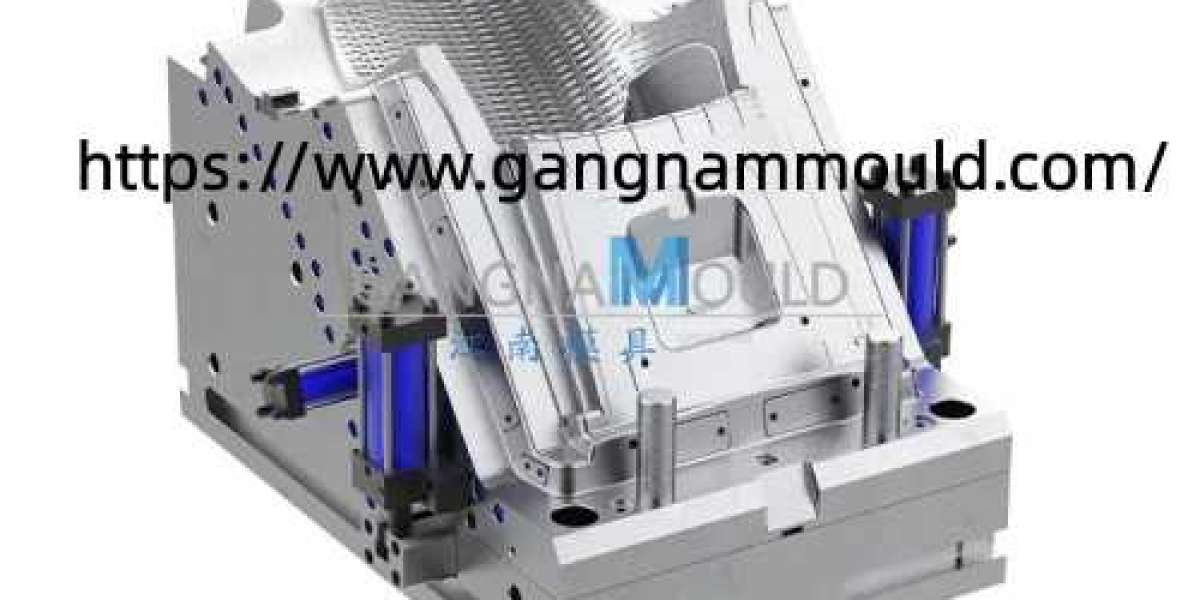

Garden Plastic Furniture Molds is often considered when planning tooling solutions for outdoor seating production. In many projects, engineers focus on cavity structure, cooling layout, cycle stability, and surface consistency. The choice of forming system influences dimensional accuracy and long term repeatability. Material selection for tooling steel, venting design, and injection flow paths are also reviewed during early planning. Attention is usually placed on reducing deformation and improving production rhythm across continuous batches. Careful evaluation at this stage helps avoid frequent adjustments later in manufacturing.
When selecting tooling systems for seating component production, attention is often placed on expected service conditions and output rhythm. Different structural designs may influence cooling balance and shrinkage behavior during forming cycles. Engineers usually review how raw material flows through channels and how pressure is distributed across cavities. A stable process can reduce variation between batches and support consistent surface quality. It is also important to evaluate maintenance accessibility, since frequent cleaning or adjustments can affect production continuity. Early planning discussions often include simulation results to predict performance before full scale manufacturing begins.
We often see that digital analysis plays a key role in refining structural details before fabrication begins. Accurate modeling helps reduce unnecessary trial work and supports clearer decision making across technical teams. Gangnammould provides customized solutions in this field, focusing on balancing structural reliability with practical manufacturing needs. Engineers may also compare different steel options to ensure suitable performance under long operating cycles. Small design updates in gate positioning and venting paths can noticeably influence flow behavior and final dimensional control. These refinements contribute to smoother coordination between design intent and real production outcomes.
Prototype trials are often used to verify whether the designed system meets expected performance conditions. During this stage, minor adjustments may be made to improve flow balance or reduce surface imperfections. Temperature control is another important factor, since uneven cooling can lead to deformation or internal stress. Operators often monitor cycle time variations to ensure stable output during continuous runs. Feedback from early production runs helps refine technical parameters and improve overall reliability. Documentation of each adjustment step is useful for maintaining process traceability in future projects.
Production planning at Gangnammould often benefits from a structured approach that connects design intent with real manufacturing conditions. Clear communication between engineering and production teams can reduce misunderstandings and support smoother workflow transitions. Over time, accumulated experience helps refine decision making for similar projects and improves consistency across different product lines. https://www.gangnammould.com/product/


