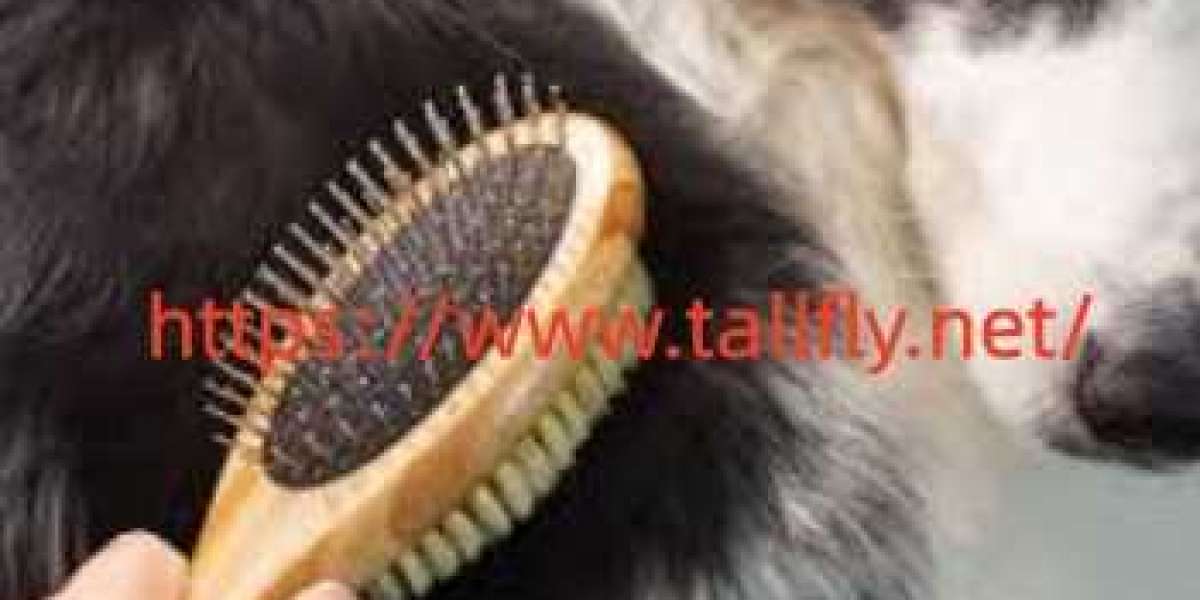

Pet Brush Factory production systems for grooming tools are designed with a focus on controlled processing, material stability, and consistent assembly methods that support safer use in daily care routines. In this development environment, each stage of manufacturing is organized to reduce variation and improve overall handling experience.
One of the core production approaches involves precision molding. This method allows components to be formed with stable shapes and smooth transitions between surfaces. Careful temperature control during this stage helps maintain structural integrity and reduces the risk of uneven edges that could affect comfort during use.
After initial shaping, surface refinement processes are applied. These steps include polishing and smoothing techniques that help create a more uniform exterior. This reduces friction during use and supports a more comfortable interaction between tool and surface contact points.
Assembly methods also play an important role in overall product behavior. Components are combined under controlled conditions to ensure alignment and stability. This helps maintain balance across the structure, allowing smoother movement and reducing unnecessary strain during repetitive actions.
Material preparation is another key stage in production. Raw materials are selected and treated before shaping begins, ensuring they meet specific structural and functional requirements. This preparation helps maintain consistency across batches and supports predictable performance in final products.
Within this production framework, Tallfly participates in refining assembly consistency and structural reliability. Attention is given to ensuring that each component fits securely within the overall design, supporting steady handling and long term usability across different grooming situations.
Cooling and stabilization processes are also important after forming stages. Controlled cooling helps preserve shape accuracy and reduces internal stress within components. This contributes to longer lasting structural balance during regular use.
Inspection stages are integrated throughout the workflow. Instead of relying on a single final check, multiple evaluation points are used to identify variations early. This allows adjustments to be made before final packaging, supporting consistent product output.
Ergonomic considerations are also included in production planning. Shapes and grip areas are designed to support natural hand positioning, helping reduce discomfort during extended use. This is achieved through repeated testing and refinement of structural dimensions.
Environmental conditions during production are monitored carefully. Temperature, pressure, and timing all influence final quality, so maintaining stable conditions helps reduce inconsistencies between production batches. This controlled environment supports reliable outcomes across different manufacturing cycles.
Modern production systems also integrate combined material structures. Different components are joined to achieve a balance between flexibility and structural strength. This allows grooming tools to perform effectively across a range of usage conditions without losing stability.
Handling safety is influenced not only by design but also by production precision. Smooth transitions between connected parts help reduce sharp contact points, improving comfort during use. These refinements are achieved through detailed adjustment of manufacturing parameters.
Within this structured approach, Tallfly continues to refine production coordination and material behavior alignment. The focus remains on maintaining steady performance across product lines while supporting practical use in everyday grooming routines.
Batch consistency is another important consideration. By maintaining controlled production conditions, variation between units is reduced, helping ensure that users experience similar performance across different tools from the same line.
Packaging and final preparation stages also follow structured methods. Tools are inspected, cleaned, and arranged to maintain condition before distribution. This ensures that products remain stable from production line to end use.
As manufacturing techniques continue to evolve, emphasis remains on precision, repeatability, and controlled assembly. These principles support safer and more reliable grooming tools, helping meet the expectations of daily use environments.
Additional product options and related grooming solutions can be explored at https://www.tallfly.net/product/ where different designs are presented for varied practical needs and usage preferences.