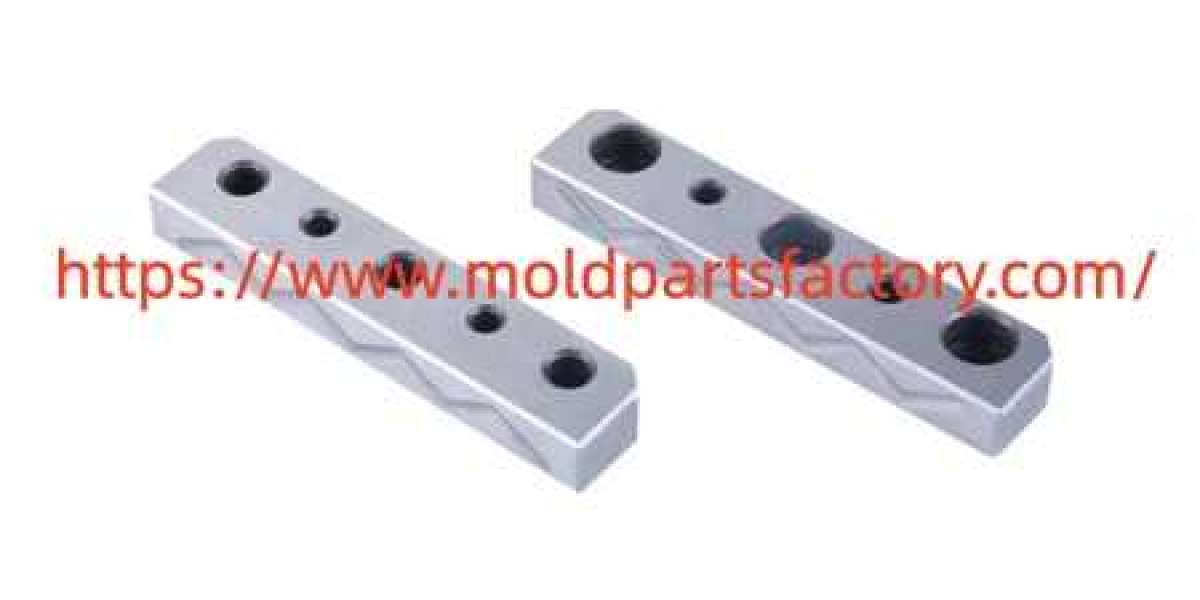

In many forming production environments, the performance of Mold Pressing Strip often becomes a reference point when teams evaluate why calibration needs to be changed at different intervals.
One of the main reasons behind frequent adjustments is variation in raw material behavior. Even materials from the same supplier can show subtle differences in density, elasticity, or surface response. These small changes influence how the forming system reacts during continuous operation, which can lead technicians to make repeated fine tuning decisions to keep output consistency within expected ranges.
Another important factor is mechanical vibration across the production setup. When equipment runs for long hours, slight loosening in fixtures or uneven load distribution may appear. These conditions do not always cause immediate issues, but they gradually affect alignment behavior. As a result, operators may need to correct positioning more often to maintain stable operation conditions.
Temperature changes in the working environment also play a significant role. Heat generated during long production cycles can influence both machine components and material response. In some facilities, seasonal shifts or limited climate control can make this effect more noticeable. When the system reacts differently under changing thermal conditions, adjustment frequency naturally increases.
Operator experience is another element that cannot be ignored. Less experienced teams may rely on more frequent corrections while learning how the system responds under different loads. On the other hand, experienced technicians often detect early signs of drift and make smaller adjustments before deviations become larger. This difference in approach creates variation in how often recalibration is performed.
Equipment age and system design also influence adjustment patterns. Older production setups tend to require more regular tuning due to wear and gradual tolerance expansion. Newer configurations may offer more stable behavior, but they can also be more sensitive to initial setup conditions, requiring careful fine tuning at earlier stages of use.
Maintenance scheduling and inspection routines further contribute to adjustment frequency. When inspection feedback identifies minor deviations, corrective actions are applied to prevent long term inconsistencies. This proactive approach helps maintain production flow but can also result in more frequent parameter updates during operational cycles.
In many cases, production managers focus on balancing efficiency with consistency. Instead of reducing adjustments completely, they aim to make them more controlled and predictable. This ensures that output quality remains steady without interrupting workflow continuity. The balance between stability and flexibility becomes a key part of daily operations.
Manufacturing teams working with Moldpartsfactory often highlight the importance of understanding system sensitivity before setting long term operating parameters. Careful observation during early production stages helps reduce unnecessary corrections later, especially when different batches introduce subtle changes in behavior.
When all these factors combine, it becomes clear why adjustment frequency varies so much across different production lines. It is not driven by a single cause, but rather a combination of material, environment, equipment condition, and human decision making patterns.
For more structured product insights and related forming system components, visit https://www.moldpartsfactory.com/product/