
Online video has become a powerful source of knowledge, entertainment, and communication. People turn to videos for tutorials, lectures, interviews, product guides, podcasts, public talks, and personal learning resources. While streaming is convenient, it does not always match the way people want to use content. Sometimes users need offline access, simpler playback, or a format that works better with their daily routine.
Saving or converting suitable content can make digital resources easier to revisit. A student may want to review a recorded explanation before an exam, a professional may need access to a training session while traveling, and a creator may want to keep copies of their own published material. These use cases can be practical, but they should always be handled responsibly. Users should respect copyright laws, creator permissions, and platform terms by working only with content they own, have permission to use, or are legally allowed to save.
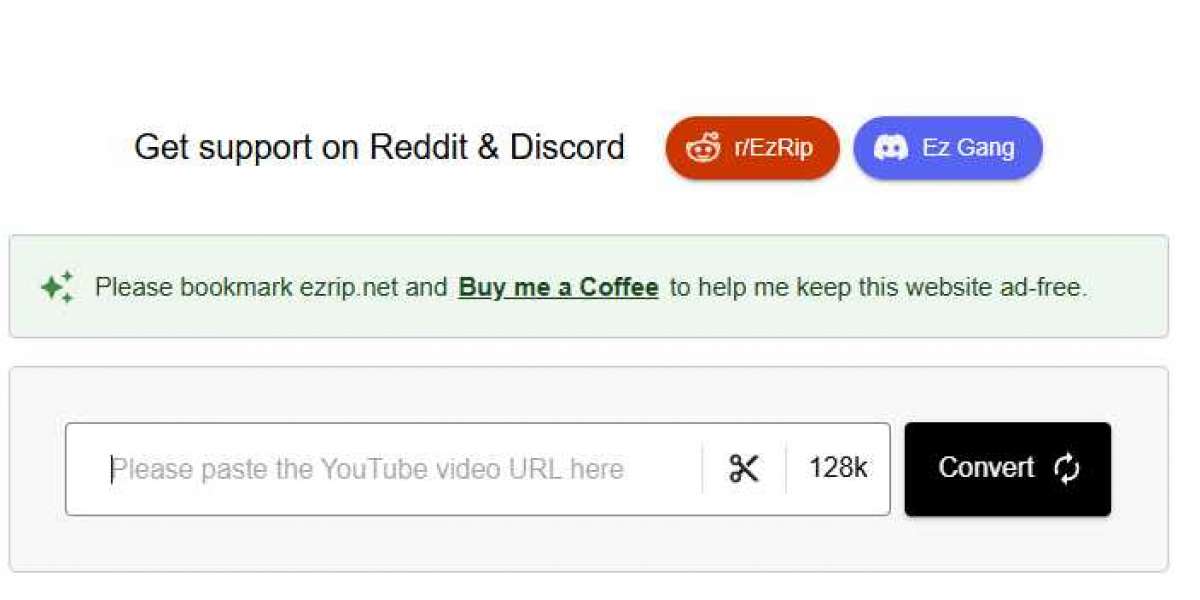
A simple YouTube Converter can help users turn approved videos into more manageable files for personal access and organization. This can be especially useful for long-form spoken content, educational resources, public-domain videos, personal uploads, and other material where saving is allowed. Instead of relying on repeated streaming, users can keep important content available in a format that fits their device and listening or viewing habits.
One of the main advantages of conversion is convenience. Digital files can be stored on phones, laptops, tablets, or external drives, making them easier to access in different environments. This is helpful during travel, study sessions, work routines, or times when internet service is unreliable. Users can also reduce the need to search for the same video repeatedly, which saves time and creates a smoother experience.
Organization is another important benefit. Once content is saved in a practical format, it can be arranged by topic, course, project, creator, or date. Students can build folders for lessons, professionals can store reference material, and creators can maintain archives of their own work. This turns scattered online resources into a structured library that is easier to manage and revisit.
Compatibility also matters. A useful file format should work across common devices without requiring complex software or technical knowledge. When files are easy to play and transfer, users gain more control over how they interact with digital content. A clear and fast process also makes the experience more accessible for people who simply want practical results without confusion.
Used legally and thoughtfully, video conversion can support learning, productivity, accessibility, and better content management. It helps people make the most of valuable digital resources by giving them more flexibility in how they save, organize, and revisit approved material.