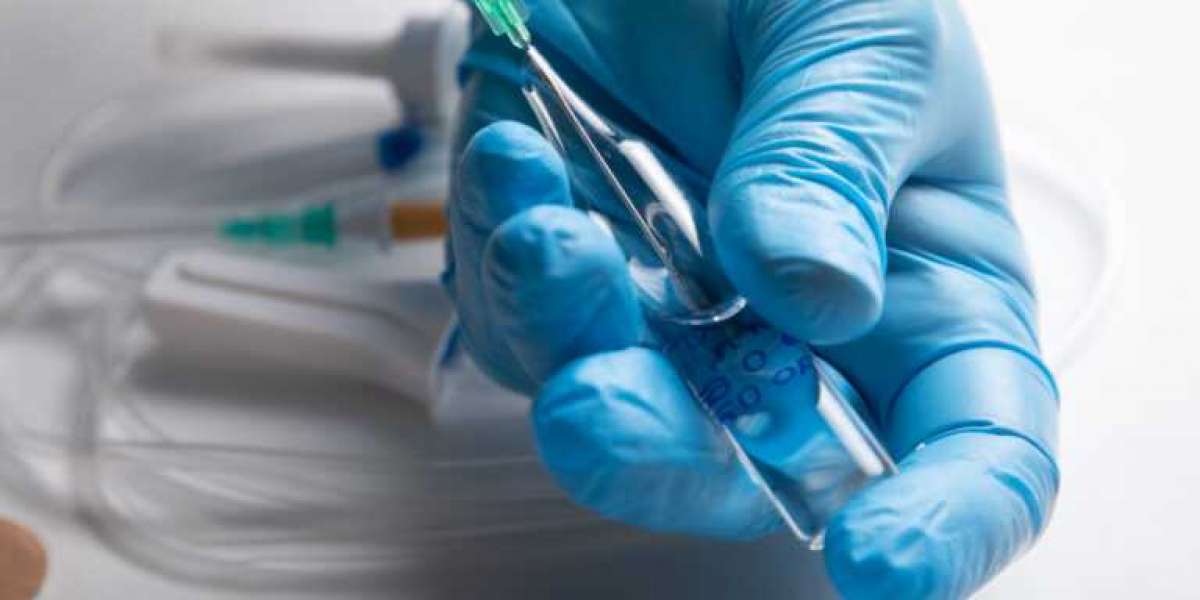

Drug addiction is a serious health condition that affects individuals, families, and communities worldwide. Recovery is possible, but it often begins with choosing the right treatment facility. A professional centre de dezintoxicare droguri provides medical supervision, emotional support, and personalized care to help people safely overcome substance dependence and build a healthier future.
Addiction develops differently for every individual. Some people become dependent after prolonged substance use, while others may develop addiction more quickly due to genetic, psychological, or environmental factors. Regardless of the cause, seeking professional treatment significantly increases the chances of long-term recovery.
The first stage of treatment is usually a comprehensive medical evaluation. Doctors and addiction specialists assess the patient's physical health, mental condition, and history of substance use. This evaluation helps create a personalized treatment plan that addresses the patient's unique needs rather than relying on a standard approach.
Detoxification is one of the most important phases of recovery. During detox, the body gradually removes harmful substances while adapting to functioning without them. Withdrawal symptoms can range from mild discomfort to severe medical complications, depending on the substance and the duration of addiction. Medical supervision ensures that the detox process is as safe and comfortable as possible.
However, successful recovery requires much more than detoxification alone. Addiction often has deep psychological roots that must be addressed through therapy and counseling. Individual counseling allows patients to understand the factors contributing to their addiction, while group therapy provides encouragement and shared experiences from others on similar recovery journeys.
Behavioral therapies are commonly used to help patients recognize unhealthy habits and replace them with positive coping strategies. These therapies teach practical skills for managing stress, avoiding triggers, and preventing relapse after treatment is completed.
Family support also plays an important role in recovery. Addiction can damage relationships and create emotional challenges for loved ones. Family counseling sessions improve communication, rebuild trust, and educate family members about how they can support long-term recovery in a healthy and positive way.
Many rehabilitation programs also focus on improving overall well-being. Proper nutrition, regular physical activity, healthy sleep habits, and stress management techniques contribute to both physical and emotional healing. Developing a balanced lifestyle helps individuals regain confidence and establish routines that support sobriety.
Mental health treatment is another essential part of addiction recovery. Many individuals struggling with substance abuse also experience depression, anxiety, trauma, or other mental health disorders. Treating both addiction and these underlying conditions simultaneously often leads to better long-term outcomes.
After completing an intensive treatment program, ongoing support remains crucial. Recovery is a lifelong process that benefits from continued counseling, peer support groups, follow-up appointments, and relapse prevention planning. These resources help individuals maintain motivation while navigating everyday challenges.
One common misconception is that addiction reflects a lack of willpower. In reality, addiction is recognized as a chronic medical condition that affects brain function and behavior. Professional treatment focuses on addressing both the physical and psychological aspects of the disease, giving patients the best opportunity for lasting recovery.
Choosing a rehabilitation center should involve careful consideration of several factors, including experienced medical staff, individualized treatment plans, evidence-based therapies, confidential care, and comprehensive aftercare services. A supportive and respectful environment can greatly improve a person's treatment experience and recovery success.
Advances in addiction medicine continue to improve treatment options for patients around the world. Modern rehabilitation centers combine medical expertise with psychological support to provide comprehensive care that addresses every stage of recovery.
Although the journey toward sobriety may seem challenging, thousands of individuals successfully overcome addiction every year. With professional guidance, family support, and personal determination, recovery becomes an achievable goal rather than an impossible dream.
Seeking help is one of the strongest decisions a person can make. Every step toward treatment represents progress toward improved health, stronger relationships, and a more fulfilling life. Professional care provides the knowledge, structure, and encouragement needed to build a future free from addiction and full of new opportunities.


