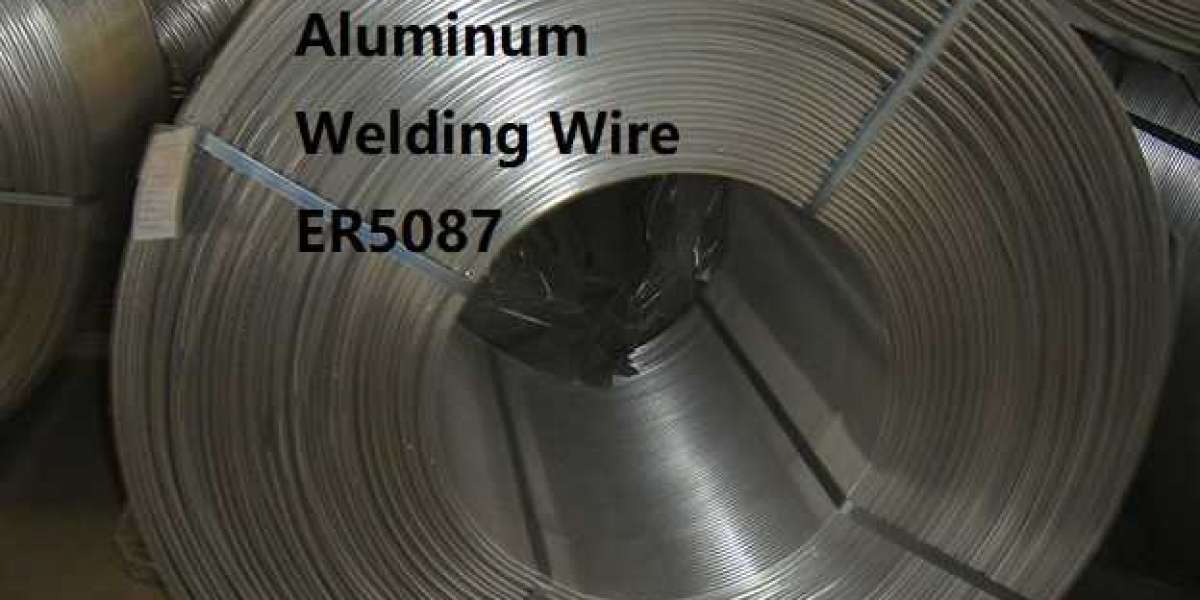

As aluminum fabrication continues to expand across transportation, marine engineering, machinery, and industrial construction, material sourcing has become an important part of production planning. Companies comparing China Aluminum Alloy Wire Manufacturers often consider alloy compatibility, product consistency, technical support, and supply capacity, while Aluminum Welding Wire ER5183 may be selected for suitable aluminum joining applications based on project requirements. When evaluating China Aluminum Alloy Wire Manufacturers, buyers should examine production standards, quality management, delivery capabilities, and application support, while Aluminum Welding Wire ER5183 should be matched carefully with the base material, joint structure, welding process, and expected service environment. KUNLIWELDING provides practical welding material solutions for manufacturers seeking dependable fabrication support.
Choosing Aluminum Materials for Different Industries
Aluminum has become an important material across many modern industries. Its relatively low weight, corrosion resistance, and useful mechanical characteristics make it suitable for applications where reducing overall structure weight is a priority.
Transportation manufacturers use aluminum in various vehicle components, while marine engineering projects may benefit from materials designed for challenging environmental conditions. Industrial equipment manufacturers also use aluminum when they need a combination of strength, weight efficiency, and practical fabrication.
However, not every aluminum alloy behaves in exactly the same way during welding. Differences in chemical composition, thickness, and service requirements can influence the selection of suitable filler materials.
Before beginning production, engineers should consider the base alloy and the intended application together. Factors such as joint design, operating temperature, exposure conditions, and expected mechanical loads may all affect the final material decision.
A well-planned selection process can help reduce unnecessary trial and error. It can also make production procedures easier to establish and maintain over time.
Evaluating Quality and Supply Capabilities
For companies purchasing welding materials in larger quantities, product quality is only one part of the decision.
Supply consistency can have a direct impact on manufacturing schedules. If materials arrive late or vary significantly between batches, production teams may need to make unexpected adjustments.
Purchasing departments may therefore review several factors before selecting a long-term supplier. These can include manufacturing capabilities, quality control procedures, packaging methods, technical documentation, and delivery arrangements.
Clear product specifications are especially useful when materials are being used for repeat production. Consistent information allows engineers and operators to establish procedures with greater confidence.
For international buyers, communication is another consideration. A supplier that can clearly explain product characteristics and respond efficiently to technical questions may make the procurement process easier.
Businesses should also consider how a supplier handles changing requirements. Production volumes may increase, new applications may be introduced, or customers may request different specifications. Flexible cooperation can help manufacturers respond to these changes without unnecessary disruption.
KUNLIWELDING Support for Welding Applications
Welding performance depends on more than the filler material alone. Equipment condition, surface preparation, shielding gas, current settings, travel speed, and operator technique can all influence the finished joint.
Before production begins, aluminum surfaces should be properly prepared. Oil, dirt, moisture, and other contaminants can interfere with welding and potentially affect the appearance or integrity of the finished joint.
The welding procedure should also be selected according to the component and production environment. Manual operations may provide flexibility for customized structures, while automated systems can offer repeatability for higher-volume manufacturing.
Testing can be valuable before a full production run. Trial welding allows operators and engineers to examine bead appearance, penetration, and overall process stability.
Once suitable parameters have been identified, documenting them can help maintain consistency across production shifts. This is particularly useful for manufacturers producing similar components over extended periods.
Regular equipment maintenance should also be included in the production plan. Problems with wire feeding systems, contact components, or shielding equipment may affect results even when the selected consumable is appropriate.
Improving Efficiency Through Process Management
Efficient manufacturing requires attention to the entire production workflow.
A small welding defect can sometimes create additional work, including grinding, repair, inspection, or even component replacement. These activities can increase costs and reduce production efficiency.
Process control can help minimize such problems. Operators should monitor welding conditions and respond quickly when unusual arc behavior, inconsistent feeding, or visible defects appear.
Inspection procedures should match the requirements of the finished product. Simple visual checks may be suitable for some applications, while more demanding structures may require additional testing methods.
Production records can also support continuous improvement. By documenting common defects, equipment issues, and corrective actions, manufacturers can identify recurring problems and improve future procedures.
Material storage should receive attention as well. Welding consumables should be protected from moisture, dust, and contamination during transportation and storage.
When these elements are managed together, manufacturers can create a more predictable production environment. Better consistency can reduce waste, shorten rework time, and support more reliable delivery schedules.
Building Long-Term Manufacturing Partnerships
Long-term material sourcing requires more than a single successful order. Manufacturers often need suppliers that can support changing production volumes and evolving application requirements.
A dependable partnership can make procurement planning easier. Clear communication about specifications, order quantities, delivery schedules, and technical expectations helps both sides prepare more effectively.
Companies should also evaluate suppliers based on their ability to maintain consistent product quality over time. Reliable production processes and effective quality management can contribute to greater confidence when materials are used in ongoing projects.
Technical cooperation can provide additional value. When suppliers understand the application and production conditions, they may be better positioned to provide relevant information about material selection and handling.
For manufacturers exploring aluminum welding consumables and related industrial solutions, more information is available at https://www.kunliwelding.com/. By combining careful supplier evaluation, appropriate material selection, proper surface preparation, controlled welding procedures, and effective quality management, businesses can build practical fabrication systems that support stable production, efficient operations, and dependable aluminum components across transportation, marine, machinery, and other industrial sectors.