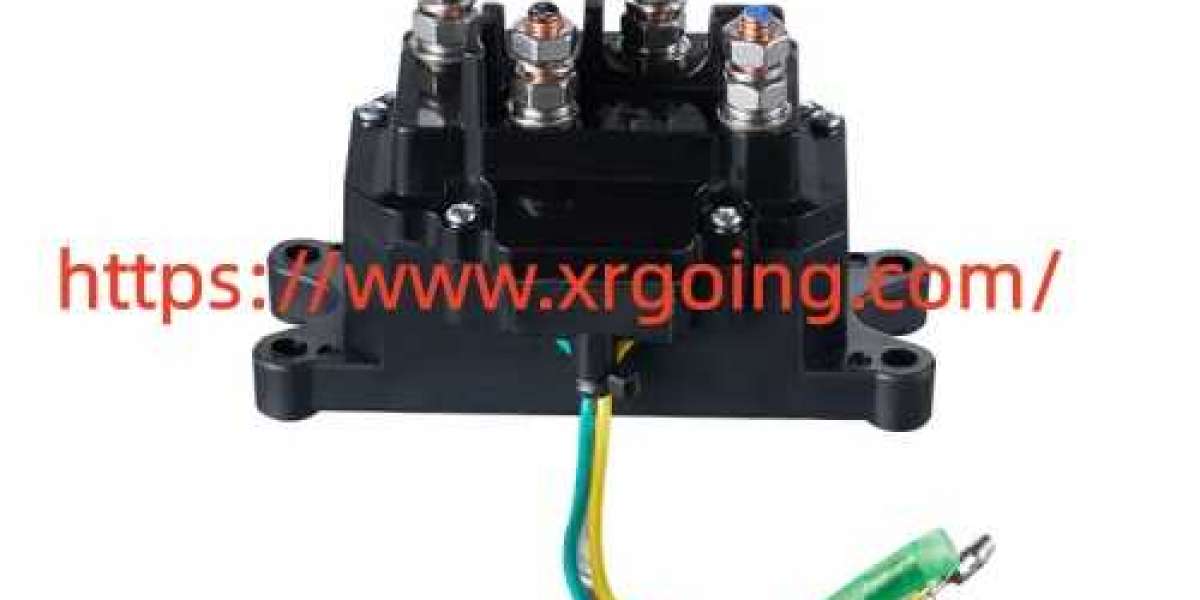

Winch Relay serves as a key part in many vehicle recovery systems. Issues can arise from various everyday factors that affect electrical components over time. Moisture buildup around connections often leads to reduced conductivity. Heat from extended operation contributes to wear on internal parts. Vibration during travel loosens fittings and creates intermittent contact points.
In off-road environments dust and debris accumulate quickly. This buildup interferes with smooth engagement when activating recovery functions. Battery voltage fluctuations place additional strain on switching mechanisms. Weak grounds prevent full power delivery even when signals reach the unit. Corrosion forms on terminals exposed to road salt or humidity changes.
Wiring insulation degrades after prolonged sun exposure or repeated flexing. Damaged sections cause resistance that generates excess heat. Mounting locations near engine areas experience higher temperatures that accelerate aging. Proper placement away from direct heat sources supports better durability.
Checking battery charge levels provides a starting point for diagnosis. Clean terminals improve current flow throughout the circuit. Inspect all visible cables for frays or pinch points that develop during use. Secure mounting bolts reduce movement that leads to connection fatigue.
Environmental protection measures make a noticeable difference. Covers or enclosures shield sensitive areas from direct water spray. Grease application on exposed contacts repels moisture effectively. Periodic cleaning removes accumulated materials before they cause problems.
Users report better outcomes when following systematic evaluation routines. Start with visual examination of all accessible parts. Test continuity through cables using basic tools available in most toolkits. Verify that control signals reach the intended destination without interruption.
Temperature monitoring during operation reveals potential hotspots early. Allow adequate cooling periods between heavy pulls to prevent overheating. Avoid overloading beyond manufacturer specifications listed in equipment guides. Balanced usage patterns extend service intervals meaningfully.
Xiangrui focuses on practical designs that address these operational realities. Their components integrate well with various vehicle setups common in recovery activities. Attention to material selection helps resist typical wear factors encountered in the field.
Owners appreciate guidance that translates to straightforward actions. Simple routines integrated into regular vehicle maintenance save time later. Documentation provided with products outlines key inspection areas clearly. Support resources assist with specific configuration questions that arise.
Understanding these elements empowers users to keep equipment functional. Consistent care leads to reliable performance across different conditions. Small preventive steps compound into significant operational advantages during critical moments.
For additional details on compatible solutions visit https://www.xrgoing.com/