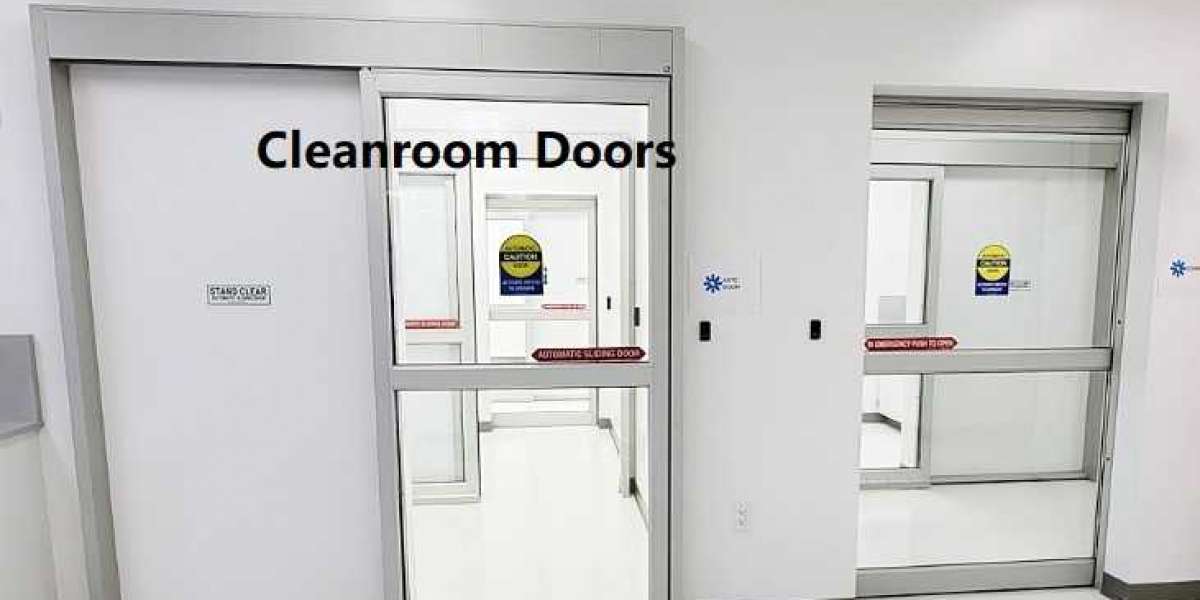

A controlled production area requires careful attention to every detail, from air handling and wall construction to equipment placement and personnel movement. When companies evaluate a Cleanroom Doors Manufacturer for a new facility, they may consider material selection, structural strength, cleaning convenience, and configuration flexibility, while choosing a suitable Clean Room Door also requires attention to room functions, access frequency, traffic direction, and the relationship between adjacent controlled spaces. A properly planned door system should work naturally with the facility instead of becoming an obstacle, helping employees move efficiently while supporting the environmental requirements of different working zones.
Understanding the Role of Doors in Controlled Spaces
Doors are often used to connect areas with different functions within a controlled facility. They may separate production rooms from preparation zones, connect changing rooms with clean areas, or provide access between storage and manufacturing spaces.
Because of this, the door should be considered during the early stages of facility planning. Its dimensions and position can influence how people, carts, raw materials, and finished products move throughout the building.
A well-organized layout can reduce unnecessary movement and make daily work more efficient. In areas with frequent traffic, the opening method should be selected according to actual usage. Manual systems may work well in low-traffic locations, while sliding or automatic configurations can be considered for busy passages.
Door placement is equally important. If entrances are positioned too close together or interfere with equipment routes, the workflow may become less efficient. Careful planning can help avoid these issues before construction begins.
For renovation projects, the existing building structure must also be reviewed. Accurate measurements and site conditions can determine whether a standard configuration is suitable or whether customization is required.
Materials Designed for Regular Cleaning
Cleanroom facilities often involve strict cleaning schedules, so door surfaces should be selected with maintenance in mind. Smooth and durable finishes can make routine cleaning more convenient while helping maintain a neat appearance.
Different industries may require different material characteristics. Pharmaceutical environments may have demanding hygiene procedures, while electronics facilities may focus more heavily on dust management and process stability.
The frequency of operation should also influence material selection. A door used dozens or hundreds of times per day may experience more wear than one installed in a low-traffic technical room.
The frame and hardware deserve equal attention. Hinges, handles, seals, sensors, and other components should be appropriate for the intended working environment.
Durability can affect long-term operating costs as well. A system that requires frequent repairs may create unnecessary interruptions and maintenance expenses.
For this reason, facility managers should consider the complete door assembly rather than evaluating only the visible panel. A balanced combination of materials, hardware, and construction methods can provide a more reliable solution for demanding environments.
YD-PURIFICATION Provides Flexible Project Options
Each controlled facility has its own requirements, and standard products may not always provide the right configuration. Room dimensions, traffic levels, equipment size, and workflow patterns can all influence the final design.
YD-PURIFICATION offers cleanroom-related solutions that can be considered according to different project conditions. Before selecting a configuration, customers may review factors such as door size, surface finish, frame structure, opening method, and hardware requirements.
Customization can be particularly useful for specialized facilities. A project may require non-standard dimensions, specific materials, or particular access arrangements to accommodate existing equipment and room layouts.
Clear communication is important throughout the process. Technical drawings and detailed product specifications can help customers, engineers, contractors, and installers understand the planned system before manufacturing begins.
International projects may also require attention to packaging and logistics. Large door assemblies need appropriate protection during transportation, especially when products are shipped over long distances.
A well-organized supply process can help reduce potential damage and simplify installation once the products reach the project site.
Improving Daily Movement and Workflow
The door system should support the people who use the facility every day. Employees may need to move through controlled areas while carrying tools, materials, documents, or equipment, so convenient operation can make a noticeable difference.
In busy locations, automatic opening systems may reduce delays and make movement easier. They can also minimize the need for users to touch door handles, which may be beneficial in hygiene-sensitive environments.
However, automation is not necessary for every application. The most suitable system depends on traffic volume, room function, maintenance capabilities, and budget.
Sealing performance may also be important where doors separate spaces with different environmental conditions. Properly fitted seals can support the intended separation between adjacent areas.
Maintenance should be considered from the beginning. Moving components, sensors, seals, and hardware should be inspected regularly according to the facility's operating schedule.
A proactive maintenance routine can help identify wear before it becomes a major problem. This approach may reduce unexpected downtime and support more consistent daily operations.
Making Long-Term Decisions for Facility Development
A door system is part of a facility's long-term infrastructure, so purchasing decisions should look beyond the initial installation. Project teams should consider expected service life, cleaning requirements, repair accessibility, replacement costs, and future expansion plans.
For new construction, early coordination between designers and suppliers can help ensure that door openings match the final product dimensions. This can reduce the need for costly changes during later construction stages.
For existing facilities, replacement work may require careful scheduling. Production activities may need to continue during installation, making efficient planning essential.
A reliable supplier should also provide clear information about product specifications and installation requirements. Customers may need assistance when selecting materials, determining dimensions, or evaluating suitable operating methods.
Ultimately, the right solution should reflect the actual needs of the facility. There is no single configuration suitable for every application, so careful consideration of traffic, room function, maintenance, and environmental requirements is essential.
When these factors are evaluated together, businesses can create controlled spaces that are easier to manage and more suitable for long-term operation. For pharmaceutical, medical, laboratory, electronics, food processing, and other specialized facilities, thoughtful door selection can contribute to organized workflows and practical environmental management. To explore cleanroom products and related purification solutions, visit https://www.yd-purification.com/.


